Passage I, II, III
The Passage trilogy (2021 - 2026) consists of a series of films in which Emma van der Put reflects on three different area’s of Brussels: the commercial centre of the city, which is shaped around the 19th century shopping arcade ‘Galerie Royal’, the former industrial ‘Zone-Canal’, where large-scale urban developments are currently taking place and the European Quarter, where the political centre of the city is situated. All three of these locations have their origins in the urban developments of Brussels in the 19th century, from that moment on these parts of the city were further modelled, assigned and structured in accordance with their particular function, objective and agenda.
In this longterm research, Van der Put observes how each location, departing from its specific purpose and ambition, is shaping the dynamics of the site and the significance of (visual) language present in these three public environments. When traversing these areas of the city, there is a sense of being guided, being consistently noticed and addressed.
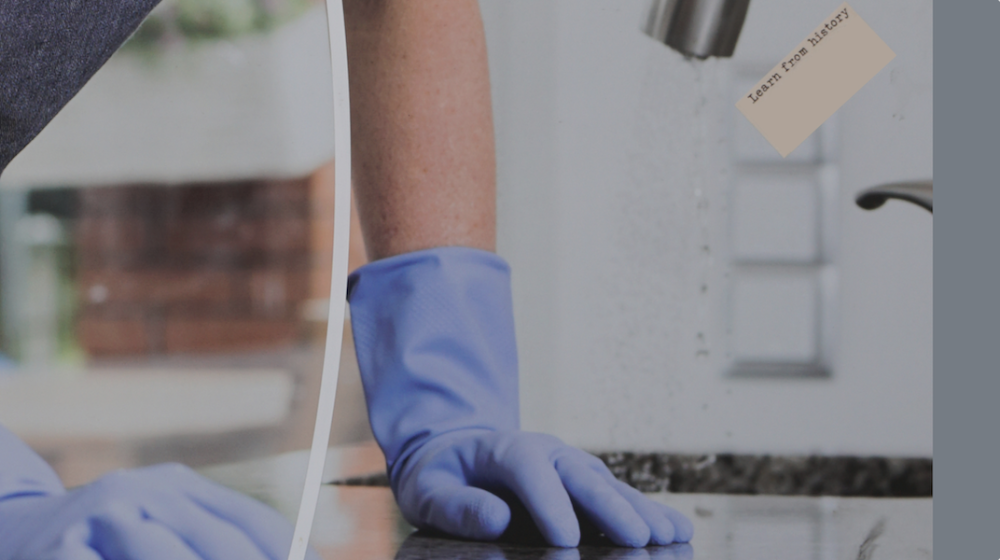
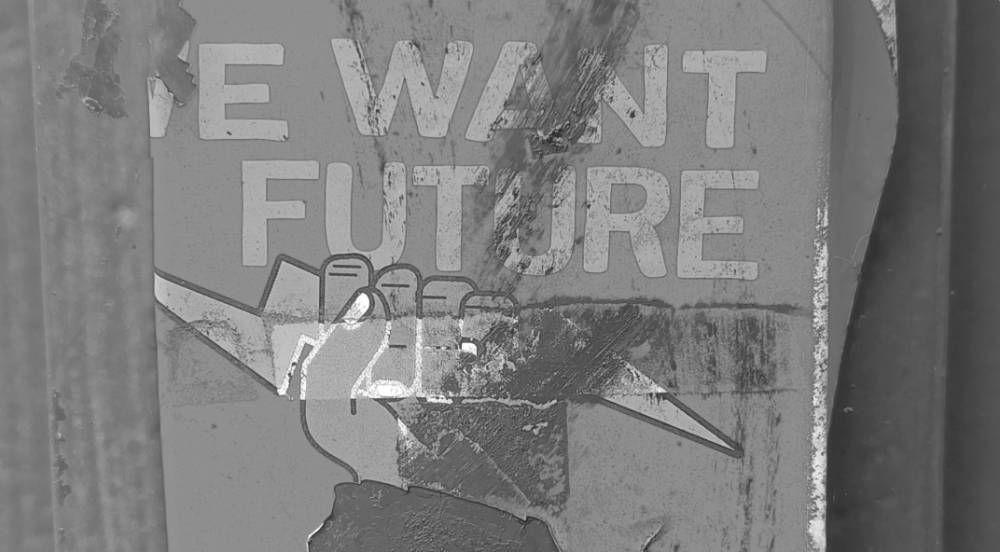
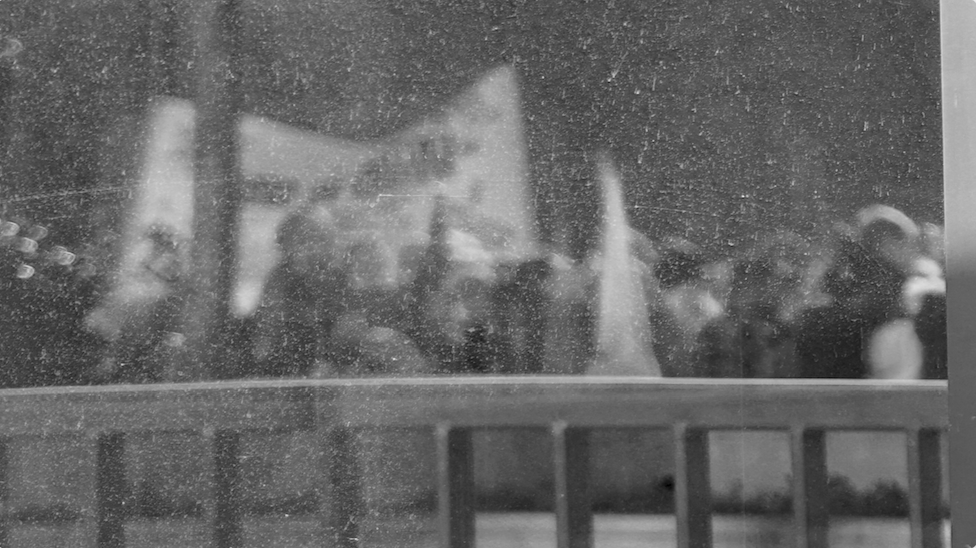
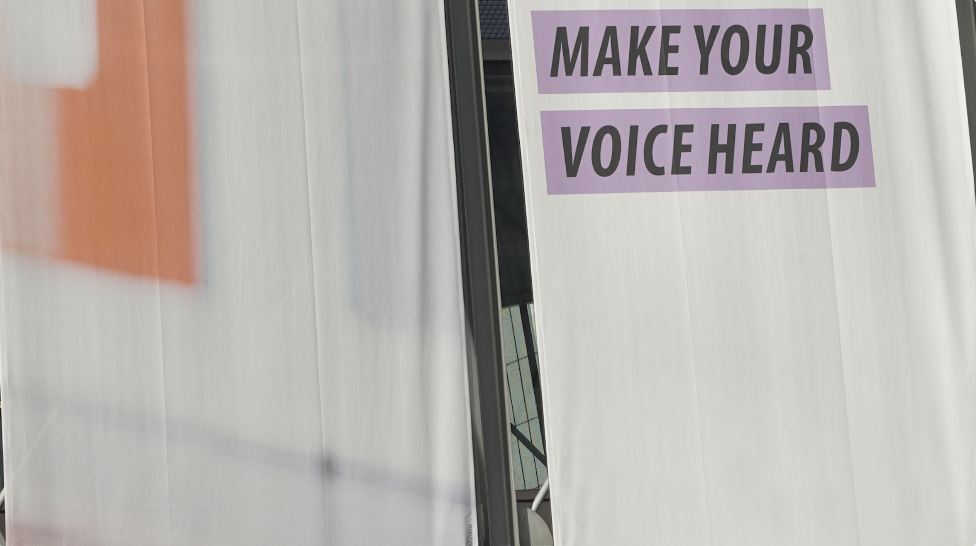
The Passage series aims to reflect on the specific experience of being a passer-by within these different public environments. Over the course of years, Van der Put collected an archive of material, making numerous repetitive walks within these specific areas of the city. In the films, she seeks to translate both the physiological and psychological experience of passing through these sites.
Departing from the photographic archive that Van der Put shot, her editing brings movement to the still images that she captured by slowly scanning over the photographs, guiding the viewer from space to space, picking up on details, scraps and fragments, that assemble through the passing of time.